
Pumps & Compressors
A selection of pumps and compressors known for outstanding durability and engineered to deliver consistent, trouble-free performance.
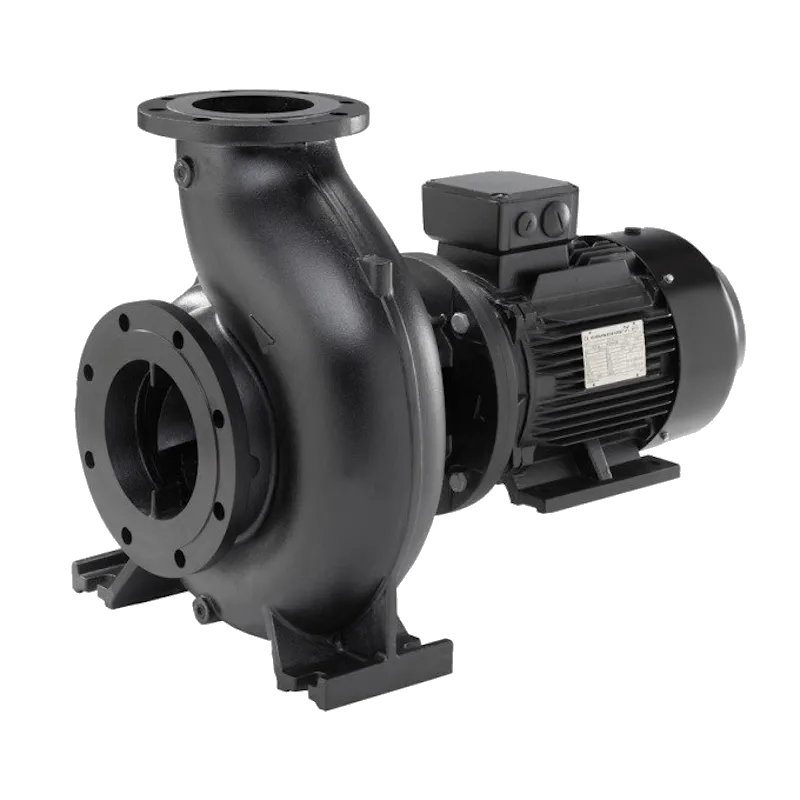
Pump Selection: From the System Curve, Not the Catalogue
The most expensive mistake in pump selection is buying bigger than needed. An oversized pump runs away from its best efficiency point: it burns energy, generates vibration and consumes seals and bearings early. The correct method is to find where the plant's system curve intersects the pump curve.
Criteria That Decide the Type
- Nature of the medium: viscosity, solids content, abrasiveness and chemical compatibility.
- Flow and head: not just the nominal duty point, but the minimum and maximum operating range.
- NPSH: if available NPSH on the suction side falls below what the pump requires, cavitation is unavoidable.
- Operating regime: continuous, intermittent or frequent start–stop?
Total Cost in Compressors
Most of a compressor's lifetime cost is not the purchase price but energy. Three things therefore have to be assessed together: actual air demand (excess capacity means continuous unloaded running), operating pressure (every unnecessary bar is a measurable cost) and the required air quality class — dryer and filtration are selected against what the process genuinely needs.
Spares and Service Continuity
With rotating equipment, what matters is not the first delivery but the second year: if wear parts such as seals, bearings, couplings and gaskets cannot be sourced, the machine stops. Linder commits to spare-part continuity and technical support for the pumps and compressors it supplies.
Share your medium, flow, head and operating regime, and we will define the right equipment with you.